Large Swedish study finds COVID-19 vaccination unrelated to fertility or childbirth rates
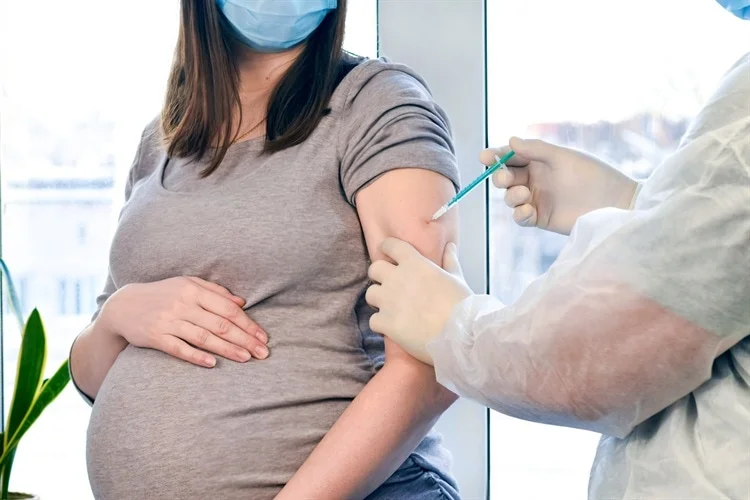
The COVID-19 vaccine does not lower the number of births, according to extensive real-world Swedish data, which helps dispel ongoing myths about the hazards to fertility.
In a recent study published in the journal Communications Medicine, researchers used causal inference techniques to approximate rather than replicate a randomised experimental comparison to determine whether the coronavirus disease 2019 (COVID-19) vaccination is linked to childbirth in Sweden.
Social media is rife with conjecture about how the COVID-19 vaccine may affect birth rates. Early in the pandemic, there were rumours that vaccines containing messenger ribonucleic acid (mRNA) would induce antibodies against a placental protein, which would result in sterility. Afterwards, there were rumours that the new vaccines may have contributed to the decrease in births that were seen during the epidemic.
Epidemiological research, however, has not discovered any links between the COVID-19 vaccine during pregnancy and foetal development or preterm birth. Even though there is no proof that the COVID-19 vaccine has an impact on fertility or childbirth rates, false information is still being spread by the public. Despite mounting data and continued concern about fertility consequences, some policymakers and members of the public have found the evidence from observational research to be inadequately compelling.
About the Study
Researchers evaluated the potential correlation between COVID-19 immunisation and delivery rates during the pandemic in this study. The core analytic cohort consisted of 59,773 female residents of the Swedish county of Jönköping who were between the ages of 18 and 45. These statistics, which were analytically limited to females of reproductive age, were taken from a regional population register that included about 369,000 inhabitants. The local healthcare provider provided data on births, vaccinations, miscarriages, and fatalities between 2016 and 2024. In January 2021, all people who were 18 years of age or older might receive the COVID-19 vaccine.
Comirnaty, Vaxzevria, or Spikevax were available in two doses, with booster doses starting in September 2021. Using Cox proportional hazards models, which consider vaccination as a time-varying exposure, relationships between immunisation and childbearing were estimated. The estimated conception, deduced from the births that took place about 280 days later, was the index event. Age-adjusted hazard ratios were used; comorbidities were taken into account but eventually disregarded because it was thought that this adjustment would not significantly change the results and would introduce bias.
A separate analysis looked at correlations between vaccination and miscarriage because limiting pregnancy identification to birthing leaves out pregnancies that end in spontaneous abortion. Stillbirths were defined as pregnancy losses that occurred at week 22 of pregnancy or later. To minimise misclassification, females who were judged to be around mid-pregnancy at baseline were not included; any ambiguity in gestational thresholds probably reflects discrepancies between stated techniques and computed eligibility requirements. To evaluate robustness, a sensitivity analysis was also performed using a shorter average pregnancy duration of 266 days.
Findings
Of the 59,773 female participants in the study, 75.5% had received the basic COVID-19 immunisation. Ninety-seven percent of those inoculated were given an mRNA vaccine. The number of births decreased by 8% from 2021 to 2022, 4% from 2022 to 2023, and 3% from 2023 to 2024. Ten percent or so of individuals had babies before getting a booster dose.
During the vaccine period, over 1 percent of women miscarried. With adjusted hazard ratios near one and confidence intervals exceeding unity in both primary and sensitivity analyses, the COVID-19 vaccine was not substantially linked to childbirth. There was no discernible link found between immunisation and miscarriage. There were no significant correlations found in sensitivity studies that assumed a shorter pregnancy duration.
Conclusion
The results show that there is no correlation between COVID-19 vaccination and lower birth rates in this Swedish community. It is more likely that lockdown-related behavioural changes, socioeconomic conditions linked to the pandemic, and global changes in fertility aspirations during the pandemic will account for observed drops in childbirth.
According to historical patterns, Sweden's birth rate increased in the 1980s before falling in the 1990s, combined with a drop in family social support and pressure on the country's budget. Due to reduced birth rates in previous decades, the pool of potential parents was already shrinking, with the typical age of parents of children born between 2021 and 2024 being 31 years old. The authors warn that selection bias may be introduced if pregnancy ascertainment is based solely on birthing data, especially for early pregnancy losses that are not recorded in healthcare registries.
Write a public review